Digital Twin Technology Explained – Complete Guide to the Future of Smart Innovation (2026)
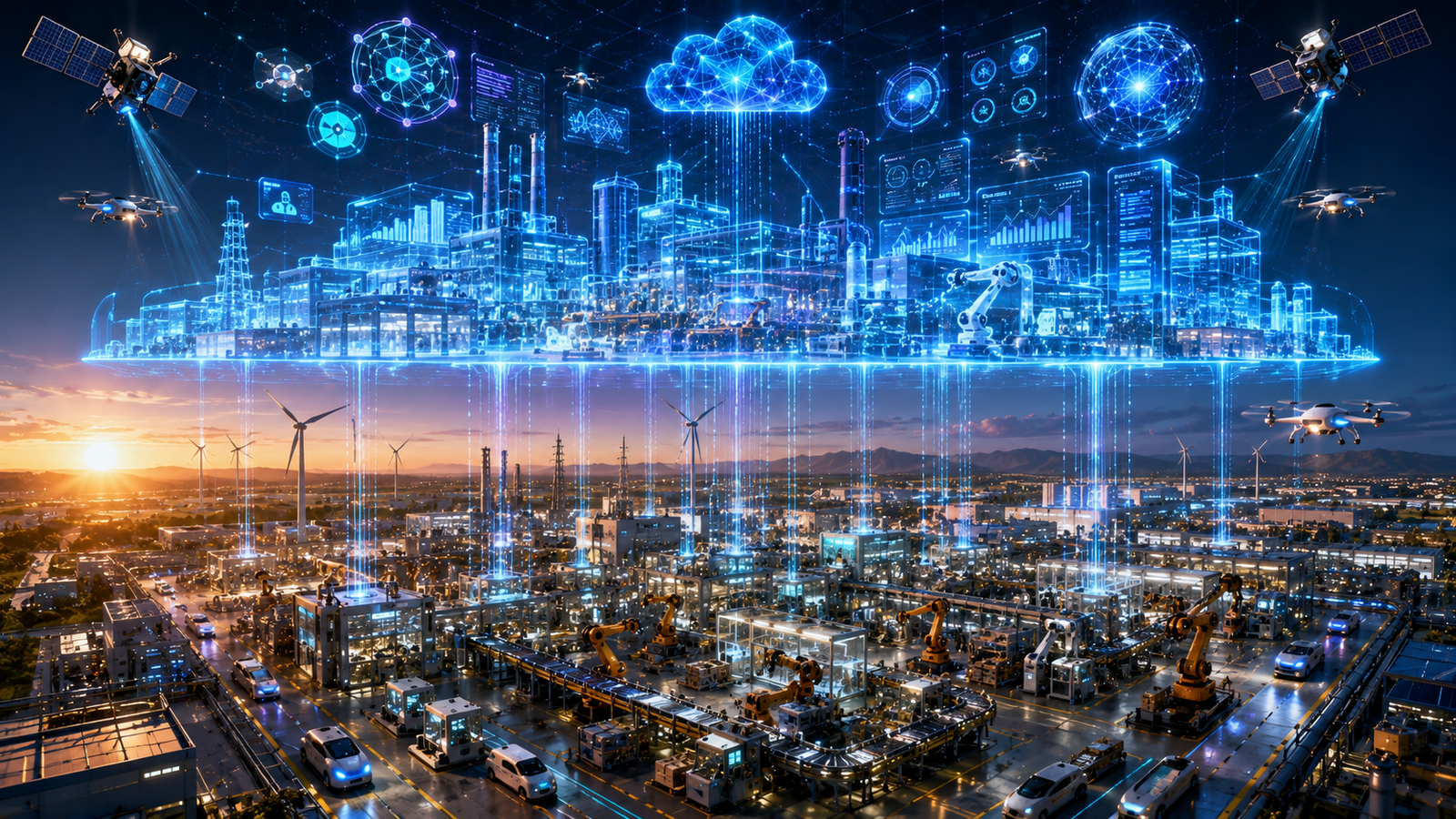
Digital transformation has changed how organizations design products, manage operations, and improve business performance. One of the most exciting innovations driving this transformation is Digital Twin Technology. By creating a virtual replica of a physical object, process, or system, businesses can monitor performance, predict failures, and optimize operations in real time without interrupting actual production.
Today, industries such as manufacturing, healthcare, transportation, energy, construction, and smart cities increasingly rely on digital twins to improve efficiency and reduce operational costs. As artificial intelligence, cloud computing, and the Internet of Things (IoT) continue to evolve, digital twin technology is becoming even more powerful and accessible.
This Digital Twin Technology Explained guide explores how digital twins work, their major components, benefits, real-world applications, challenges, and future trends in 2026.
What Is Digital Twin Technology?
A digital twin is a virtual representation of a real-world object, machine, system, or process that continuously receives data from its physical counterpart.
Using sensors, IoT devices, cloud computing, and artificial intelligence, a digital twin mirrors real-time conditions and behavior.
Digital twins can represent:
- Manufacturing equipment.
- Buildings.
- Vehicles.
- Medical devices.
- Power plants.
- Smart cities.
- Supply chains.
- Industrial processes.
This virtual model enables organizations to analyze performance without affecting physical operations.
How Does Digital Twin Technology Work?
Understanding Digital Twin Technology Explained begins with knowing how digital twins collect and process information.
A typical digital twin operates through several steps:
- Sensors collect real-time data from physical assets.
- IoT devices transmit information securely.
- Cloud platforms store and process the data.
- AI algorithms analyze performance.
- The digital twin updates continuously.
- Engineers use insights to improve operations.
This continuous feedback loop enables organizations to predict problems before they occur.
Key Components of Digital Twin Technology
Several technologies work together to create a functional digital twin.
These include:
- Internet of Things (IoT) sensors.
- Artificial intelligence.
- Machine learning.
- Cloud computing.
- Big data analytics.
- 3D simulation software.
- High-speed networking.
- Edge computing.
Together, these technologies create accurate digital representations of physical systems.
Benefits of Digital Twin Technology
Organizations implementing digital twins gain several important advantages.
Major benefits include:
- Real-time monitoring.
- Predictive maintenance.
- Reduced operational costs.
- Better product design.
- Improved decision-making.
- Increased equipment reliability.
- Higher productivity.
- Faster innovation.
Moreover, businesses can test operational changes virtually before applying them to real-world environments.
Applications of Digital Twin Technology
1. Smart Manufacturing
Manufacturers use digital twins to monitor production lines, improve equipment efficiency, predict machine failures, and reduce downtime.
2. Healthcare
Hospitals and medical researchers use digital twins to simulate medical devices, optimize hospital operations, and support personalized treatment planning.
3. Smart Cities
City planners create digital twins to improve traffic management, monitor public infrastructure, optimize energy usage, and enhance emergency response systems.
4. Transportation
Airlines, rail operators, and automotive manufacturers use digital twins to monitor vehicle performance, predict maintenance requirements, and improve safety.
5. Energy and Utilities
Energy companies use digital twins to monitor power plants, wind farms, electrical grids, and renewable energy systems for maximum operational efficiency.
Challenges of Digital Twin Technology
Although digital twins offer significant advantages, organizations may face several implementation challenges.
Common challenges include:
- High initial investment.
- Complex system integration.
- Large data management requirements.
- Cybersecurity risks.
- Data privacy concerns.
- Skilled workforce shortages.
- Scalability issues.
- Ongoing maintenance costs.
Despite these challenges, continuous technological advancements are making digital twin solutions more affordable and easier to deploy.
Best Practices for Implementing Digital Twin Technology
Organizations should follow these recommendations to maximize the value of digital twins.
- Define clear business objectives.
- Deploy reliable IoT sensors.
- Ensure high-quality data collection.
- Integrate artificial intelligence.
- Use secure cloud infrastructure.
- Monitor systems continuously.
- Train employees regularly.
- Update digital models frequently.
Moreover, businesses should begin with pilot projects before expanding digital twin technology across the entire organization.
Future Trends in Digital Twin Technology
The future of digital twins is closely connected with advances in artificial intelligence, cloud computing, and industrial automation.
Emerging trends include:
- AI-powered predictive simulations.
- Autonomous digital twins.
- Edge computing integration.
- 5G-enabled real-time monitoring.
- Smart factory automation.
- Digital twins for sustainable infrastructure.
- Healthcare digital twins for personalized medicine.
- Enterprise-wide digital ecosystems.
As these technologies mature, digital twins will become even more accurate, intelligent, and valuable across multiple industries.
Why Digital Twin Technology Is Important
Digital twins help organizations make better decisions by providing real-time visibility into physical systems.
Key advantages include:
- Improved operational efficiency.
- Faster product innovation.
- Lower maintenance costs.
- Enhanced safety.
- Better resource utilization.
- Reduced downtime.
- Increased business agility.
- Smarter long-term planning.
Furthermore, digital twins support digital transformation initiatives by connecting physical assets with intelligent software platforms.
Frequently Asked Questions (FAQs)
What is Digital Twin Technology?
Digital Twin Technology is a virtual representation of a physical object, system, or process that receives real-time data to simulate performance, monitor conditions, and improve decision-making.
How does a digital twin work?
A digital twin collects information from sensors and IoT devices, processes the data using cloud computing and artificial intelligence, and continuously updates a virtual model that mirrors the physical asset.
Which industries use digital twins?
Digital twins are widely used in manufacturing, healthcare, transportation, construction, energy, aerospace, logistics, and smart city development.
What are the benefits of digital twins?
Major benefits include predictive maintenance, real-time monitoring, improved operational efficiency, reduced downtime, better product design, and lower maintenance costs.
Is Digital Twin Technology related to IoT?
Yes. IoT sensors provide the real-time data that keeps digital twins synchronized with their physical counterparts, making IoT a core component of most digital twin systems.
What is the future of Digital Twin Technology?
Future developments include AI-driven simulations, autonomous digital twins, deeper integration with 5G and edge computing, and broader adoption across enterprise operations and smart infrastructure.
Learn more about Digital Twin Technology and industrial innovation by visiting IBM – What Is Digital Twin Technology?.
Learn more about Digital Twin Technology and industrial innovation by visiting IBM – What Is Digital Twin Technology?.